 English
 عربى
عربى
Introduction
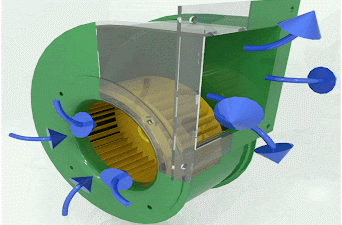
Centrifugal blowers play a vital role in modern industrial air movement systems. From ventilating large commercial buildings to powering pneumatic conveying lines in manufacturing plants, these devices are essential for maintaining safe, efficient, and productive work environments. As a dedicated manufacturer of industrial air handling equipment, ZIFENG brings you this comprehensive guide to help engineers, procurement specialists, and facility managers understand the fundamentals of centrifugal blower technology.
You will learn:
- What is a Centrifugal Blower?
- Types of Centrifugal Blowers
- What are the benefits of using centrifugal blowers?
- conclusion
Chapter One - What is a Centrifugal Blower?
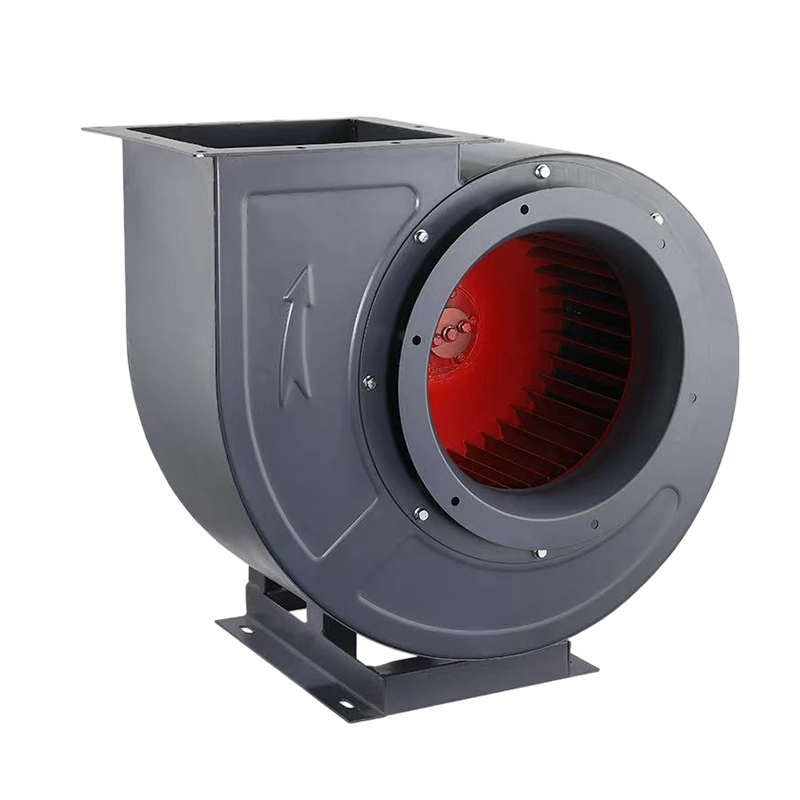
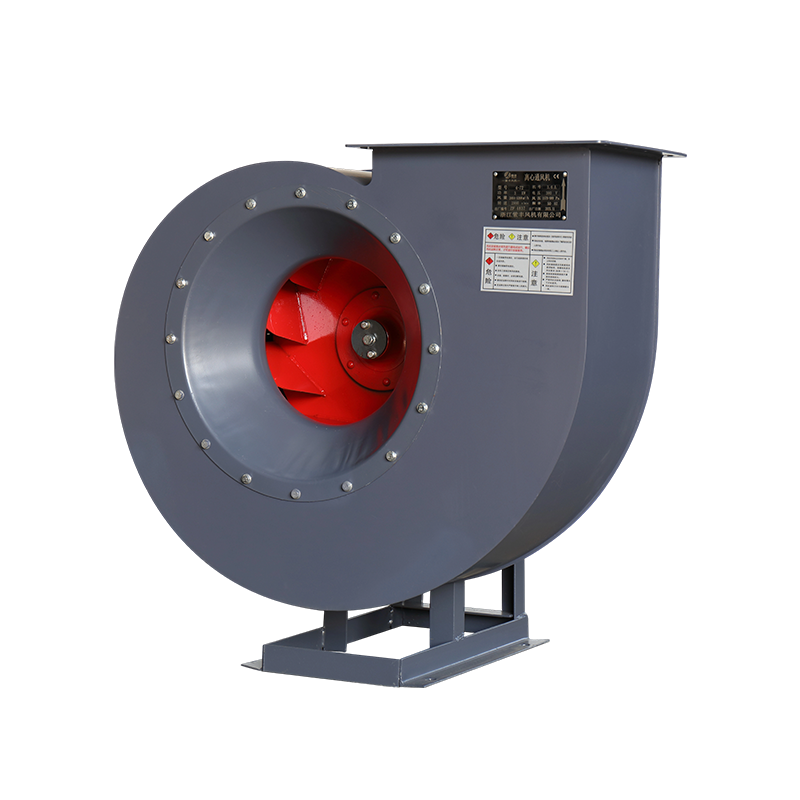
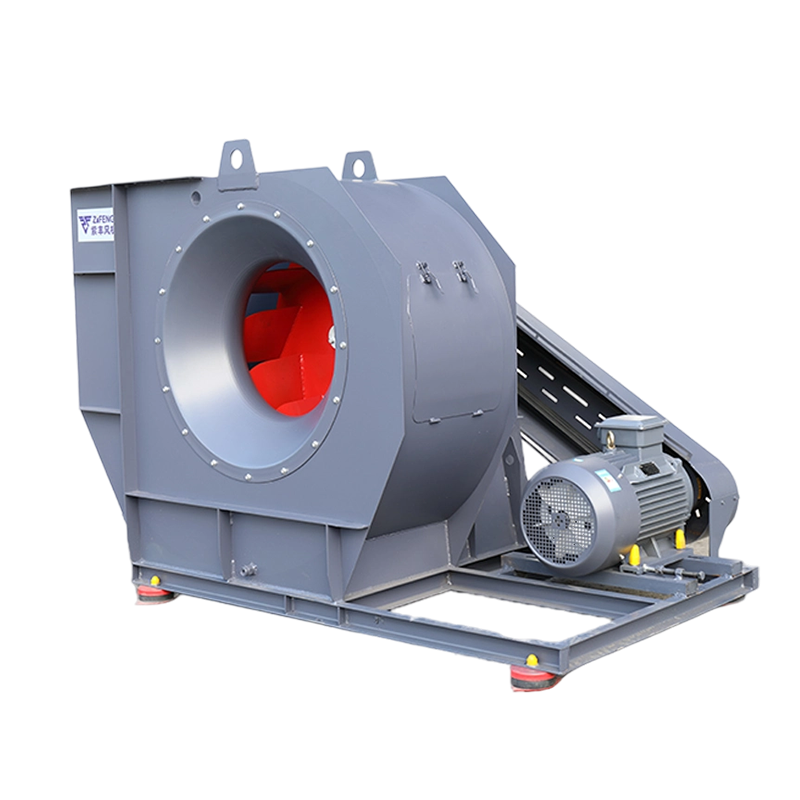
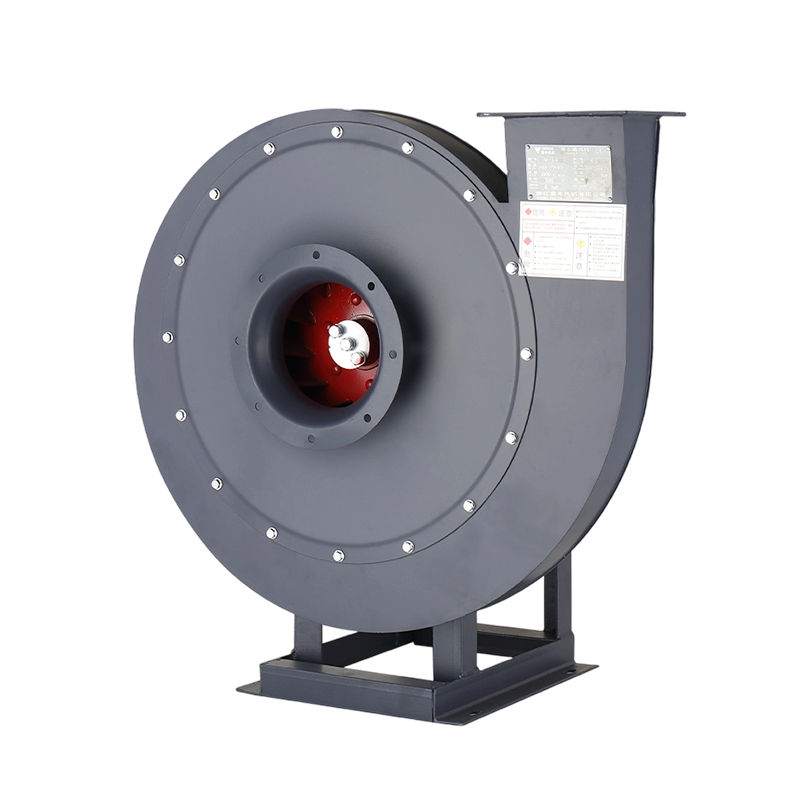
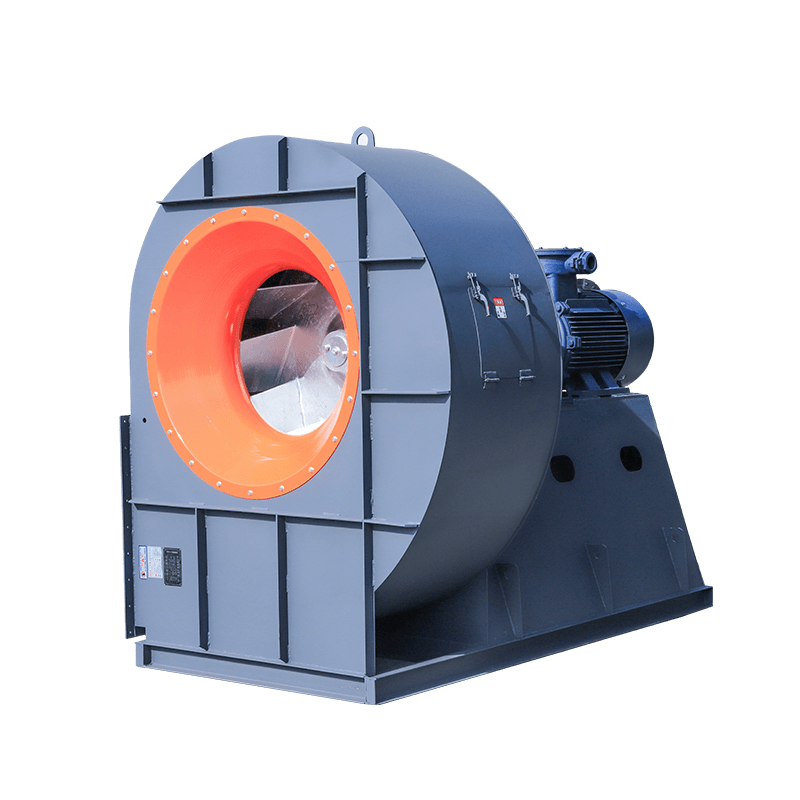
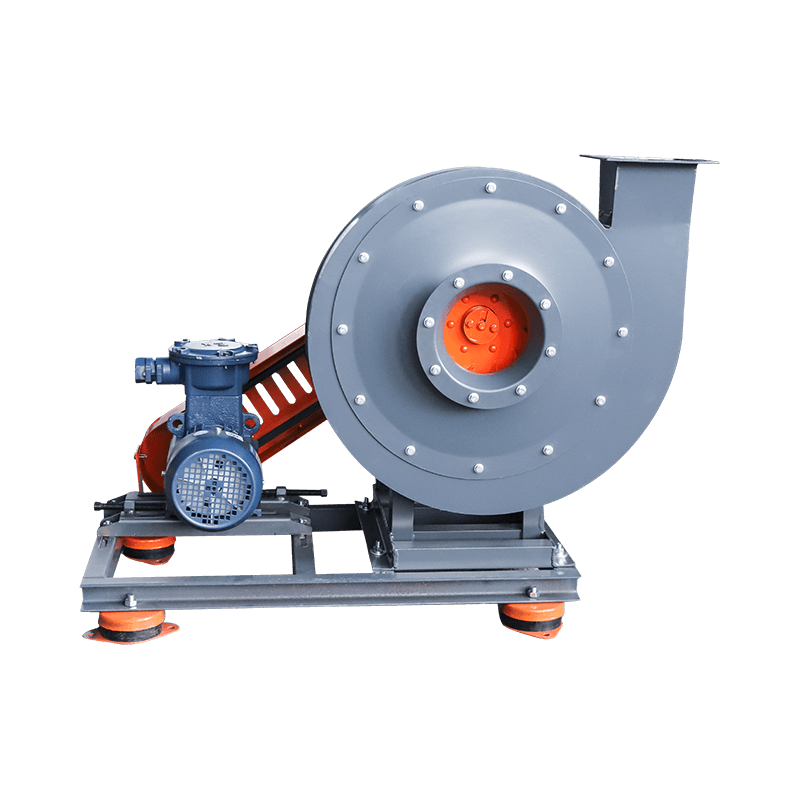
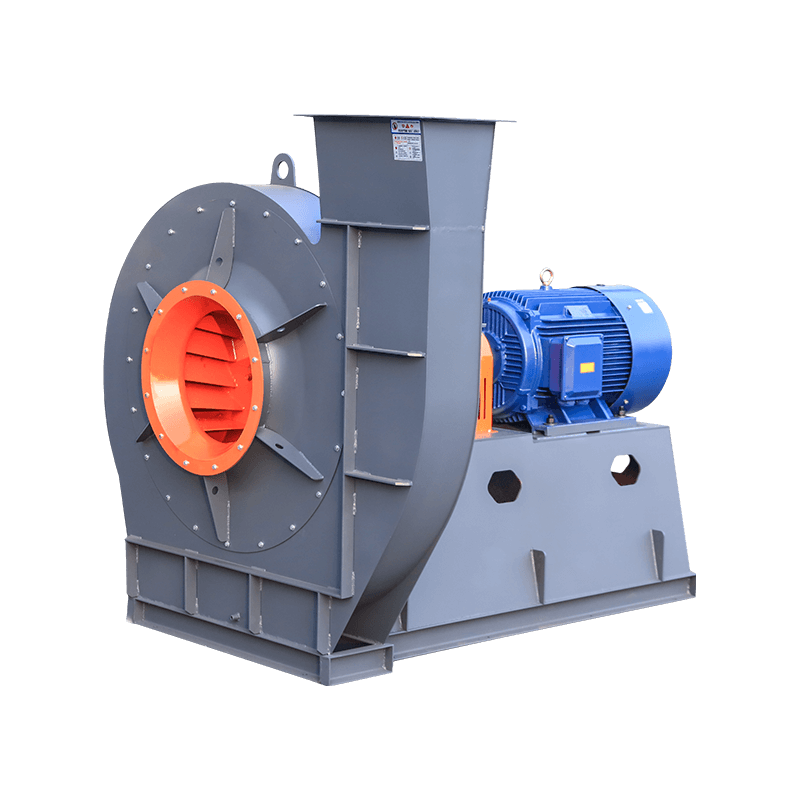
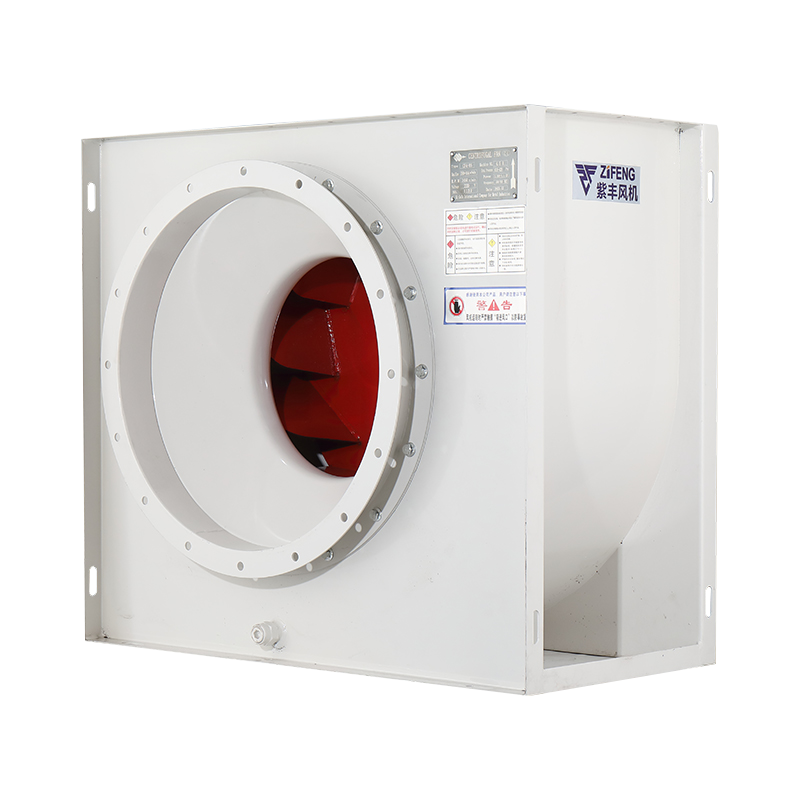
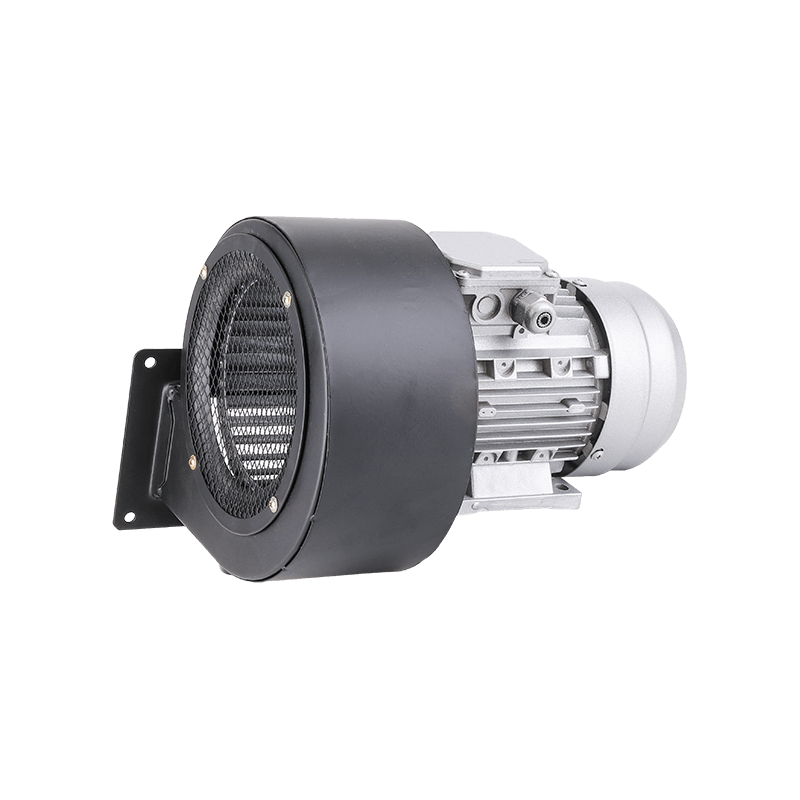
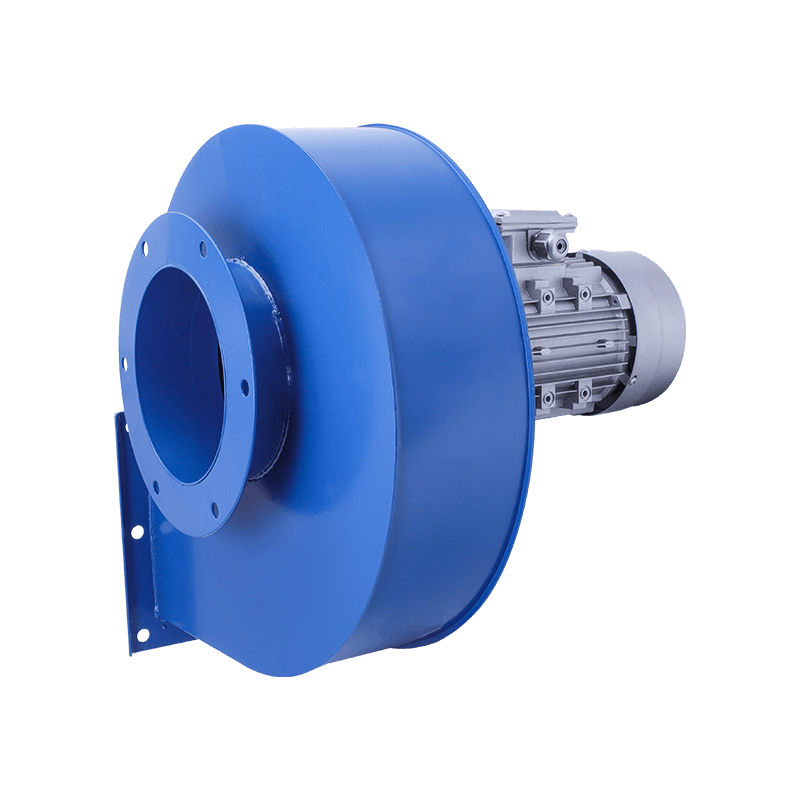
A centrifugal blower is a mechanical air-moving device designed to propel air by harnessing the centrifugal force produced by a spinning impeller. Also commonly referred to as a centrifugal fan or industrial blower, this equipment draws in air, gas, or other fluids through the inlet and discharges them at high velocity through the outlet. Essential parts of a centrifugal blower include the impeller, the housing, and the drive mechanism. The impeller consists of blades attached to a central hub that is connected to a fan shaft, playing a pivotal role in airflow, pressure generation, and overall system performance.
The design of the drive mechanism—whether it operates as a belt drive or a direct drive system—influences the impeller's rotational velocity, airflow capacity, and static pressure output. Because these blowers are built to handle demanding applications, they are valued for high efficiency, reliable continuous operation, and versatility in both light-duty and heavy-duty environments. Centrifugal blowers are widely used in ventilation systems, drying operations, dust collection, fume extraction, material handling, and HVAC systems, where consistent air movement and dependable performance are critical. When evaluating the right unit, buyers often compare airflow rate, pressure capability, noise level, motor efficiency, and maintenance requirements to match the blower to the application.
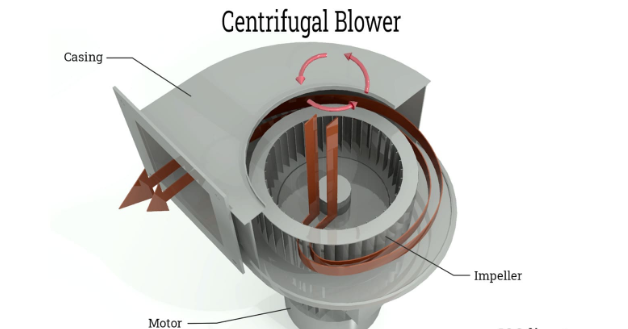
The performance and efficiency of a centrifugal blower are determined by the configuration of its blades, which impacts the effectiveness of air movement throughout the system. Blade configurations are generally categorized as forward curved, backward curved, and radial, each offering different advantages for airflow volume, pressure, energy efficiency, and resistance to particulate buildup. In many industrial and commercial settings, selecting the proper impeller design can improve operational stability, reduce energy consumption, and extend service life. Understanding these differences helps users choose the best centrifugal blower for specific ventilation, exhaust, or process air requirements.
Chapter Two - What are the different types of centrifugal blowers?
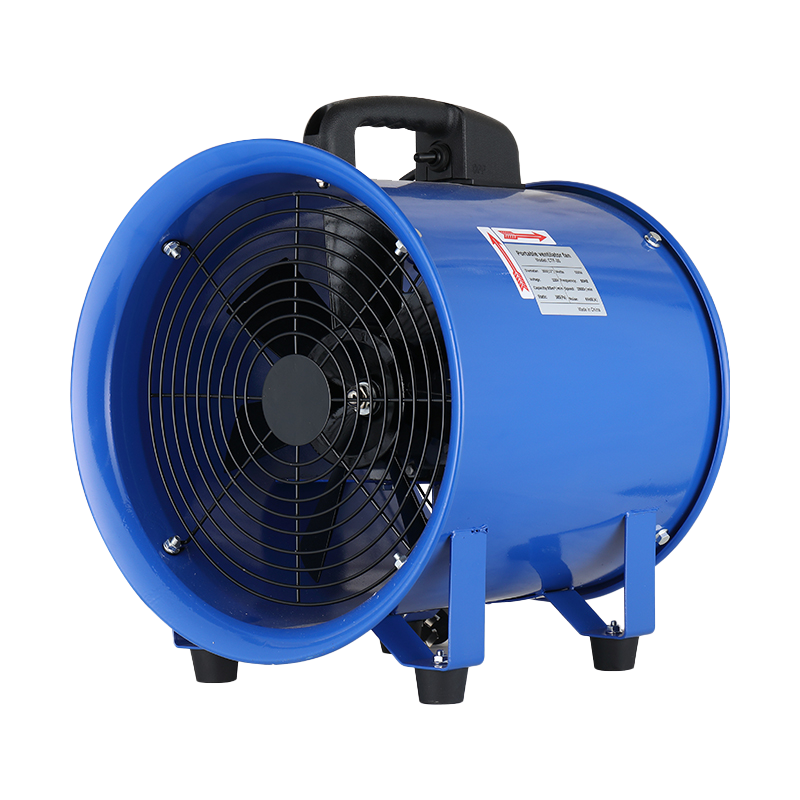
In industrial ventilation and HVAC engineering, the terms centrifugal blower and fan are often used interchangeably. However, using "blower" specifically helps differentiate these powerful devices from axial fans, which move air linearly along the axis of rotation, whereas centrifugal blowers utilize a radial pathway to generate high-pressure airflow suitable for demanding applications.
The primary distinction among various industrial centrifugal blowers lies in their impeller blade geometry, which fundamentally affects performance characteristics such as pressure, velocity, and efficiency. These impellers may be backward curved, forward curved, or radial, each designed for specific duty points, air volumes, and system resistance profiles.
Centrifugal blowers are essential components in air handling units, dust collection systems, pneumatic conveying, and air pollution control applications. Their design enables reliable delivery of consistent airflow, even against variable system pressures or duct obstructions. Unlike axial fans, centrifugal blowers efficiently build static pressure, making them vital in spray booths, fume extraction, and industrial drying processes.
Although there is no universal classification system for centrifugal blowers, industry specialists generally segment them into six or more broad categories based on the impeller blade form and operational intent. Each blower type comes with distinct characteristics, advantages, and limitations, impacting their selection for various commercial and manufacturing environments. Identifying the optimal centrifugal blower type for your air movement, dust management, or combustion air supply needs is vital for process reliability, energy efficiency, and equipment lifespan.
Forward Curved Centrifugal Blowers
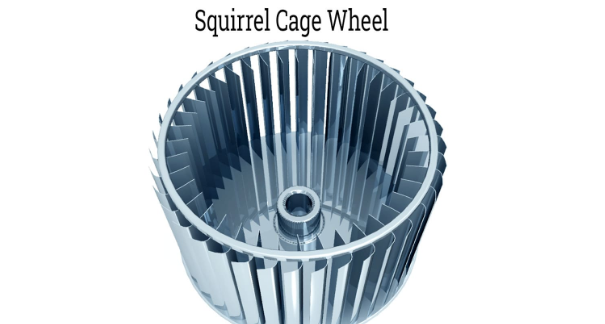
In forward curved centrifugal blowers, the blades are oriented in the direction of impeller rotation. Their short, curved blades generate high static pressure and substantial airflow (CFM), although less efficiently than other blade configurations. Forward curved fans, often referred to as squirrel cage blowers, are commonly used for low-pressure, high-volume applications such as furnace blowers in residential HVAC systems, small air handlers, cleanroom recirculation, and ventilation fan units.
The compact form factor and relatively quiet operation make forward curved centrifugal blowers a top choice for indoor environmental control. Their design typically features an impeller, shaft, robust ball or sleeve bearings, and a scroll housing that directs outlet airflow efficiently into ductwork or enclosures. Despite generating higher pressure peaks, these industrial blowers have lower mechanical efficiencies, and are best used where noise level and space constraints take priority over power usage.
Backward Inclined Centrifugal Blowers
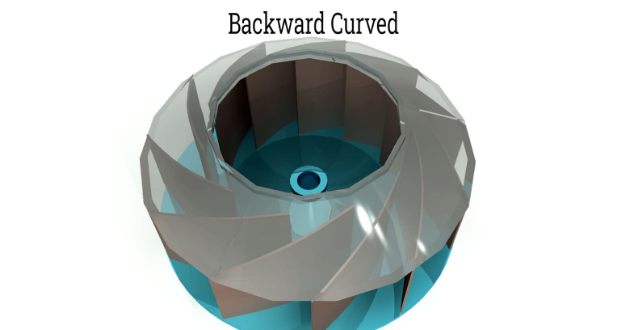
Backward inclined centrifugal fans feature impeller blades that tilt away from the direction of rotation, offering three primary blade styles: flat single thickness, curved single thickness, and curved airfoil. The heavy-duty, aerodynamically optimized backward inclined blade profile enables these blowers to maintain higher efficiency, sustain lower noise levels, and consume less energy compared to forward curved models.
Extensively used in industrial exhaust, process ventilation, and dust collection systems, backward inclined centrifugal blowers are preferred for medium to high static pressure applications. Their robust construction and unique geometry allow efficient operation over a wide range of airflow rates, ideal for fume extraction units, paint booth exhaust, and critical process cooling.
Curved Single Thickness Blade
The curved single thickness blades in backward inclined centrifugal blowers provide the additional strength and abrasion resistance necessary for air streams containing small particulates or corrosive gases. Premium models incorporate wear-resistant liners and high-temperature coatings, allowing operation in challenging environments such as chemical processing and material transport. Their ability to withstand elevated temperatures and aggressive contaminants expands their utility in heavy industry.
Flat Single Thickness Blades
The flat single thickness blade design emphasizes mechanical strength and value. Although efficiency may be lower compared to curved profiles, these blowers excel where durability and simplified maintenance are key priorities—think foundry ventilation, kiln exhaust, and harsh dust-laden air streams. The ease of adding protective liners boosts both service life and operational reliability under abrasive conditions.
Curved Airfoil
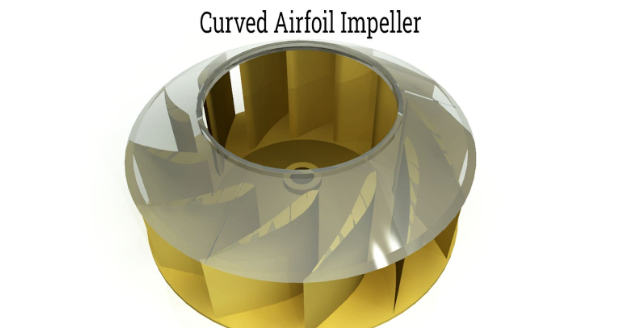
Curved airfoil centrifugal blowers utilize an advanced blade shape mimicking that of an airplane wing to maximize airflow efficiency. These blowers are tailored for high-volume, low-pressure environments where energy conservation is critical, such as clean air supply to office complexes, laboratory exhaust, and large commercial building HVAC systems. Their aerodynamic design minimizes turbulence, acoustic noise, and particulate adhesion, further extending operational efficiency and reducing maintenance requirements.
Radial Centrifugal Blowers
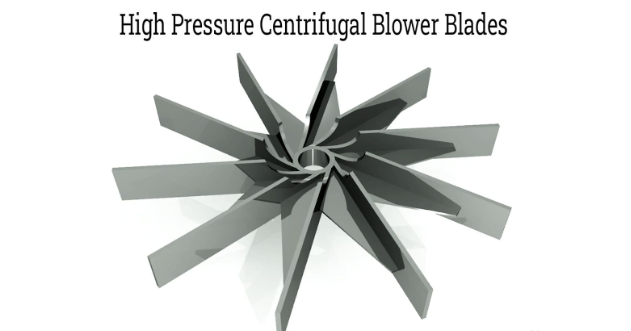
Radial centrifugal blowers employ impeller blades extending directly outward (radially) from the hub, perpendicular to wheel rotation. This straightforward design ensures that dust, debris, or other particulates are unlikely to accumulate, reducing clogging and downtime. Radial blowers are rugged and highly desirable for industrial dust collection, pneumatic conveying, baghouse exhaust, and grain handling applications, where conveying ability and reliability are essential.
Certain radial blower models feature heavy-duty side rims, reinforcing the blades for abrasive or moisture-laden operating environments. While radial centrifugal blowers generally offer medium to high static pressure and excellent airflow, they maintain robust material handling characteristics and are easy to clean, making them indispensable in woodworking, concrete production, and pneumatic conveying systems.
Airfoil Centrifugal Blowers
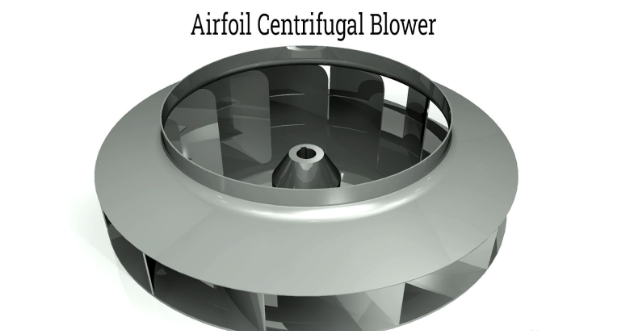
Airfoil centrifugal blowers are engineered for maximum energy efficiency, quiet operation, and clean air movement. Their blades combine a rounded leading edge with a sharply tapered trailing edge, producing minimal turbulence and superior aerodynamic performance. These blowers are especially valued in hospital ventilation, cleanrooms, data center cooling, and other mission-critical indoor air quality applications where low sound levels and efficient airflow are essential.
Airfoil impeller blowers excel at delivering large volumes of clean, filtered air while requiring lower input power and supporting variable speed drives (VFDs) for optimal system control. Their high static efficiency reduces overall utility costs and supports sustainable building requirements.
Radial Tip Centrifugal Blowers
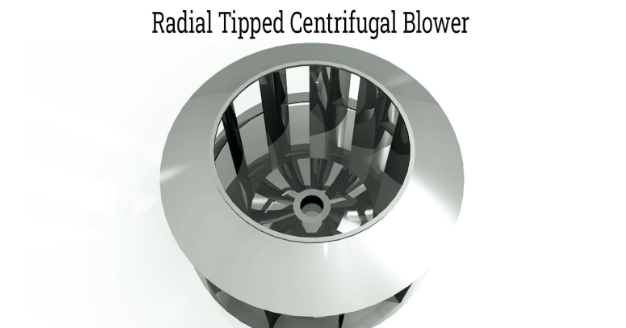
Radial tip centrifugal blowers combine the robustness of radial blowers with the efficiency gains of backward inclined designs. Their impellers feature strategically tipped blades that address a wide range of airflows and pressure levels—including contaminated or abrasive air streams. This hybrid construction makes them a top choice for pneumatic conveying, grain drying, combustion air supply, and handling moisture-laden or hot gases.
Most radial tip centrifugal blowers are fabricated from corrosion-resistant materials such as stainless steel and feature epoxy or ceramic coatings for unmatched longevity. Heavy-duty linings increase service intervals, reduce unplanned shutdowns, and deliver peace of mind in the most punishing industrial environments.
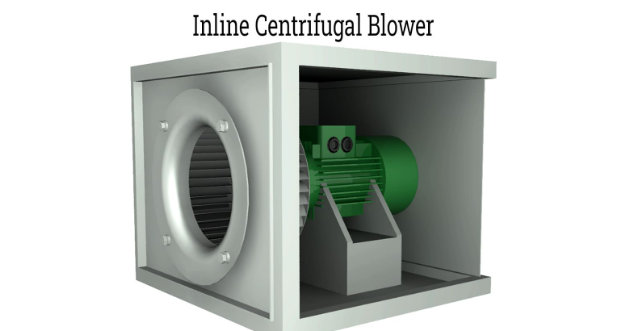
Inline Centrifugal Blowers
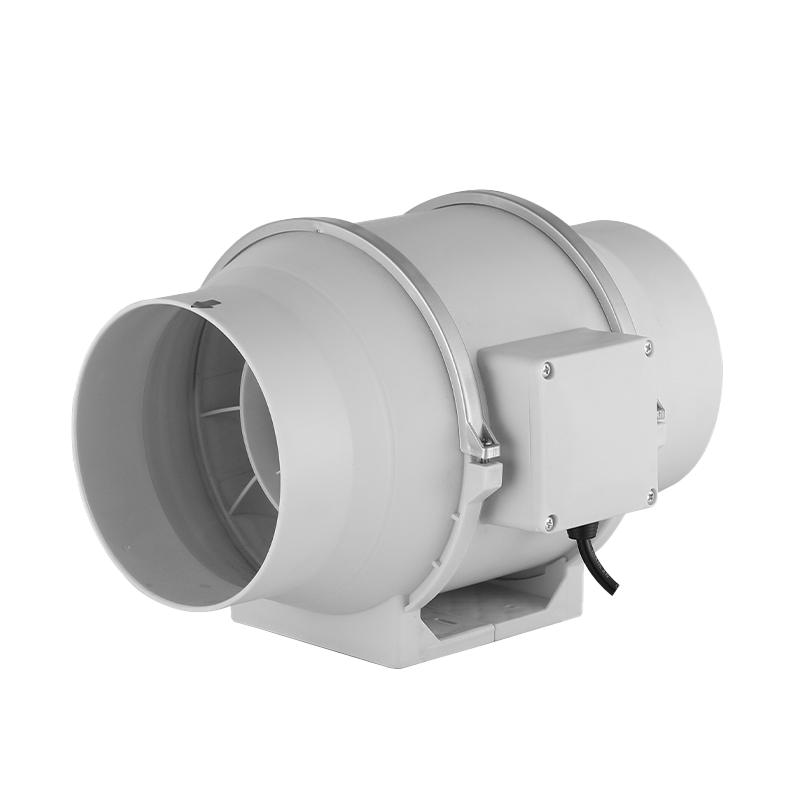
Inline centrifugal blowers marry the high-pressure characteristics of centrifugal impellers with the compact, streamlined housings typically found in axial flow fans. Housed in a cylindrical or square duct configuration, these blowers leverage backward inclined impellers to provide robust airflow for both supply and exhaust scenarios. Their flexibility in orientation—capable of mounting horizontally, vertically, or at any incline—makes them ideal for confined mechanical rooms, drop ceilings, and modular HVAC system upgrades.
Popular in commercial duct booster fans, laboratory supply, and spot ventilation, inline centrifugal blowers offer lower installation costs and space-saving benefits while ensuring stable performance and low system noise. Their versatility also enables integration with advanced controls, system balancing, and zone management for complex air distribution networks.
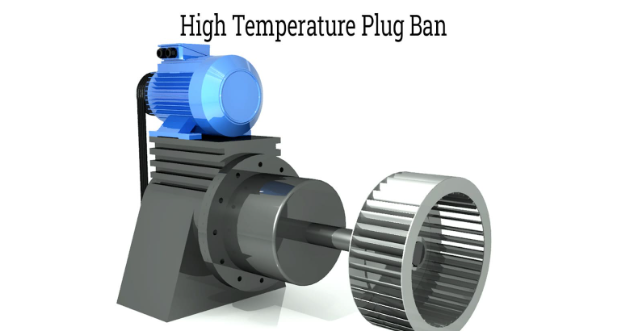
Plug Centrifugal Blowers
Plug blowers—sometimes called open type fans or plenum fans—are unique in that they operate without a full housing. This open configuration allows them to be placed directly within large air handling plenums or high-temperature enclosures, such as autoclaves, industrial ovens, or dust collection systems. With the ability to circulate significant air volumes even at elevated temperatures, plug blowers are also used in regenerative thermal oxidizers and direct-fired heating equipment.
When specifying a plug blower, it's essential to provide operational details such as required airflow (CFM), static pressure, temperature limits, and air density. These specifications help manufacturers design a unit that meets your process demands, ensuring safe and consistent operation in challenging thermal or contaminant-rich environments.
Volute Centrifugal Blower
The volute casing in modern centrifugal blowers is expertly engineered to optimize both airflow direction and pressure conversion. The characteristic spiral (volute) form maximizes kinetic-to-static pressure transformation by gradually expanding the area around the impeller discharge, preventing velocity losses and turbulence. Volute blowers are integral to air handling units requiring precise airflow control and pressure stability, supporting applications such as combustion air delivery, cleanroom pressurization, and HVAC system balancing.
Single volute casings efficiently channel airflow in one direction, while double volute casings split the discharge, minimizing radial thrust and improving mechanical balance—ideal for continuous-duty industrial processes and large commercial air systems. Understanding volute geometry is fundamental to maximizing blower performance and system reliability.
During operation, incoming air passes through the impeller, is accelerated outward by centrifugal force, and is transformed by the volute into useful static pressure before discharge. Thorough selection of volute configuration ensures both reliability and energy efficiency over a system's lifetime.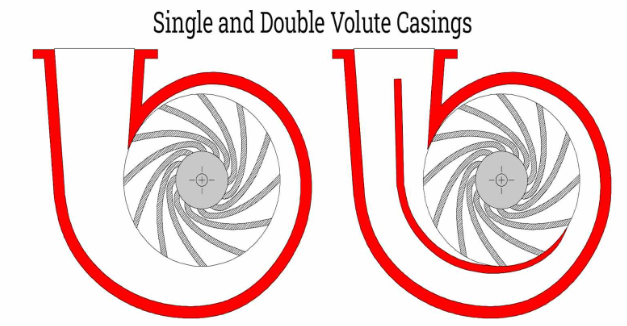
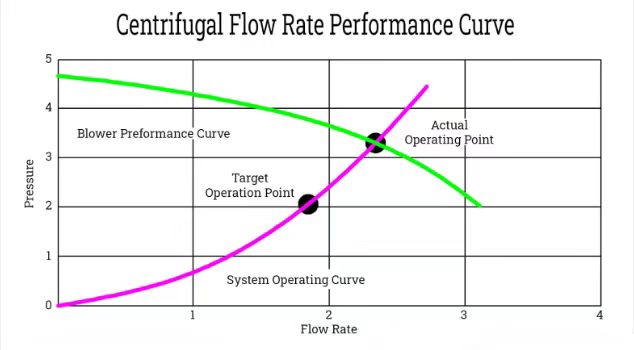
Centrifugal Blower Performance Curves
Centrifugal blower performance curves offer essential insight into how a specific model will deliver airflow (CFM), static pressure, and power requirements across a range of operational conditions. These data curves—typically provided by manufacturers—help buyers and engineers choose the best centrifugal blower for their systems while accounting for variables like air density, temperature, system resistance, and altitude. Understanding these curves is critical for optimizing energy efficiency, ensuring adequate process ventilation, and minimizing downtime due to system mismatches.
Multiple operating factors impact a blower's performance curve, including intake conditions, speed (RPM), inlet guide vane positions, and the adjustment of variable frequency drives. Performance must be analyzed at both maximum flow (free air delivery) and minimum stable flow (surge point) to ensure robust and safe blower operation within process requirements. For energy-conscious facilities or systems with fluctuating demand, advanced blower controls facilitate real-time adjustment to maintain proper system balance, prolong equipment life, and reduce utility expenses.
Utilizing centrifugal blower performance curves empowers specifiers to accurately size blowers for air pollution control systems, HVAC air supply, pneumatic conveying, and process gas management with optimal efficiency and reliability.
Chapter Three - What are the benefits of using centrifugal blowers?
Centrifugal blowers and fans are an effective and low-maintenance solution for handling large volumes of air under high pressure. Enhancing ventilation in industrial environments is crucial for maintaining worker safety, and this need has gained even more importance with increasing environmental awareness.
Typically, building and facility designers incorporate centrifugal blowers into their plans from the outset due to their proven reliability. These blowers can be customized and tailored to meet specific operational needs, making them a preferred choice for various industrial applications.
Low Maintenance
One of the key advantages of centrifugal blowers is their low maintenance expense. After investing significantly in equipment repairs and installation, the minimal upkeep costs of centrifugal blowers are advantageous for controlling overall operational expenses.
Unlike other air circulation systems, which often require regular inspections for dust and debris accumulation, centrifugal blowers are more straightforward to maintain. Typically, a quick vacuuming of the motor and vents is sufficient to keep them in good working condition.
The straightforward, modular design of centrifugal blowers contributes to their ease of maintenance and servicing, making them a practical choice for long-term use.
Energy Savings
Efficiency is crucial for any industrial equipment, impacting both cost and productivity. Centrifugal blowers are designed to provide a steady and consistent air flow, achieving up to 84% static efficiency. This high level of efficiency is essential for optimizing the performance of large-scale air flow systems.
Versatility and Adaptability
Centrifugal blowers are favored across industries for their versatility and adaptability. They can be customized and adjusted to fit the specific requirements of various industrial operations, making them suitable for dynamic and evolving environments.
These blowers and fans are integral to numerous sectors, from paper manufacturing to automotive assembly, each tailored to optimize efficiency and meet distinct operational needs.
Durability and Hazard Resistance
In today’s manufacturing environments, equipment must be robust enough to handle harsh and challenging conditions. Centrifugal blowers and fans are specifically designed to operate reliably in environments that are corrosive, toxic, extremely hot, or highly humid. Each type of centrifugal blower is carefully engineered to address the unique demands of these tough conditions while delivering outstanding performance.
Conclusion
- A centrifugal blower is a motor or pump that moves air using centrifugal force created by the rotation of an impeller that pulls air or fluids into the blower and pushes it out through the blower’s outlet.
- In the discussion of centrifugal blowers, the use of the terms blower and fan are used interchangeably. One of the reasons for emphasizing the use of the term blower is to avoid confusing centrifugal blowers with axial fans that move air in an axial or direct path.
- The angle of the blades of a centrifugal blower determines its efficiency and effectiveness—how fast the blower moves air through the system.
- Centrifugal blowers are the most popular type of air movement tool used for industrial and commercial applications.
- Centrifugal blowers and fans are a highly efficient and maintenance-free method for moving high volumes of air at high pressure.